Heating and Cooling Optimization
Space heating and cooling account for the vast majority of energy used in standard households. Proper management of your thermostat is the single most effective habit you can adopt.
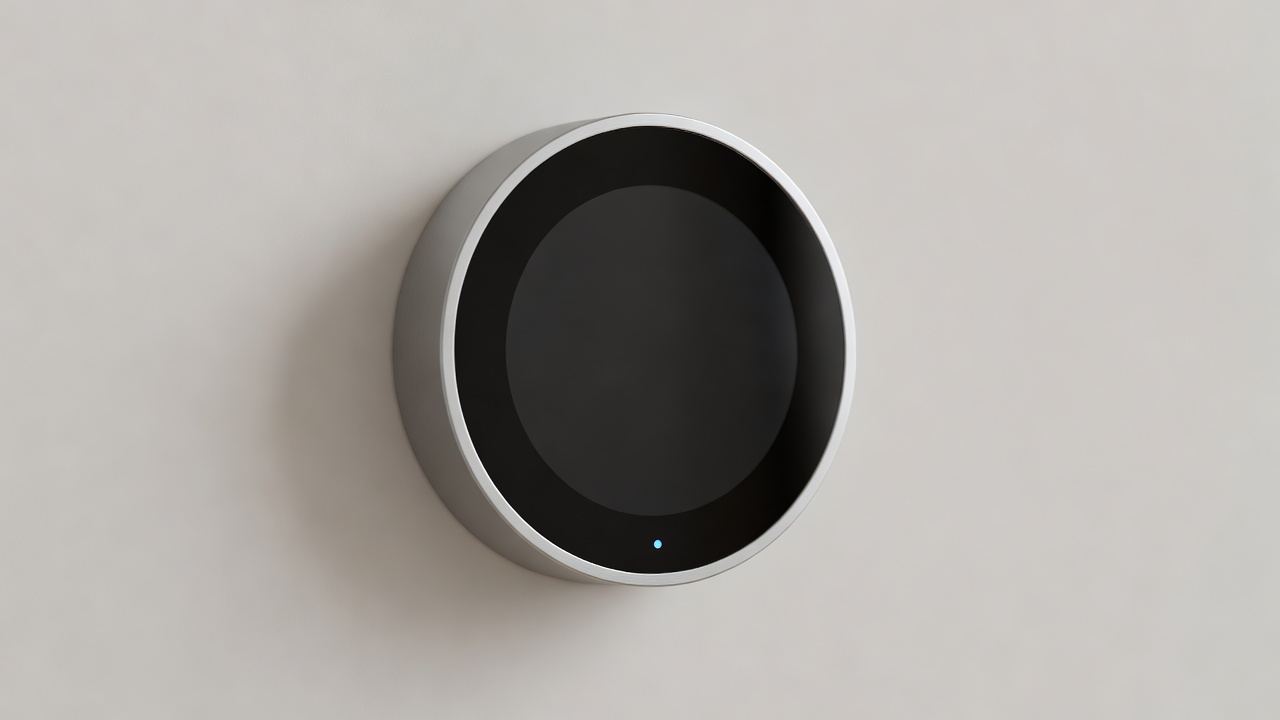
During colder months, aim to set the thermostat slightly lower than you might be used to—around 19°C or 20°C (66°F - 68°F). Wearing an additional layer indoors is vastly more efficient than attempting to heat the entire volume of a house to a summer-like temperature. At night, or when the house is empty, lower the temperature further. A programmable or smart thermostat can automate these adjustments, ensuring you are never paying to heat an empty space.
In warmer months, utilize natural ventilation by opening windows during the cooler early morning and late evening hours, and closing them (along with blinds or curtains) during the peak heat of the day to block solar gain. Fans use a fraction of the energy required by air conditioning units and are highly effective at providing localized cooling.
Managing Phantom Loads
Many modern electronics draw power continuously, even when ostensibly switched off. This is known as a "phantom load" or "vampire draw." Devices with standby lights, digital clocks, or remote control sensors (such as televisions, gaming consoles, and microwaves) are common culprits.
To combat this, utilize power strips for entertainment centers and home offices. When you are finished using the equipment, switch off the entire strip at the wall, completely severing the power supply. Over the course of a year, eliminating phantom loads can result in noticeable energy savings.
Lighting and Illumination
If you have not already done so, transitioning all incandescent or halogen bulbs in your home to Light Emitting Diodes (LEDs) is a critical step. LEDs consume significantly less electricity and boast a lifespan that heavily outpaces traditional bulbs.
Beyond the hardware, cultivate habits regarding natural light. Position desks and reading chairs near windows to minimize the need for artificial lighting during the day. Clean your windows regularly to maximize light penetration, and ensure family members adhere to a strict habit of turning off lights when leaving a room.
Appliance Efficiency
Major appliances require significant energy to operate. Using them efficiently is key:
- Refrigerators and Freezers: These appliances operate most efficiently when they are relatively full, as the solid mass of chilled food helps maintain the internal temperature. Ensure the coils at the back are kept free of dust, and check that the door seals are tight (if a piece of paper slips easily out of the closed door, the seal may need replacing).
- Washing Machines: As previously mentioned, heating water is the most energy-intensive part of doing laundry. Wash clothing on cold cycles and only run the machine when you have a full load.
- Dishwashers: Similarly, only run a dishwasher when it is completely full. Skip the heated drying cycle and simply open the door slightly at the end of the wash to allow the dishes to air dry.
Draft Proofing
You can heat a room efficiently, but if that heat rapidly escapes, the energy is wasted. Draft proofing is a low-cost intervention with high returns. Identify drafts by moving a lit incense stick around window frames, external doors, and skirting boards on a windy day; the smoke will flutter where air is intruding. Apply weatherstripping tape to drafty frames, use "sausage" draft excluders at the bottom of doors, and invest in heavy, thermally lined curtains to pull closed over windows as soon as the sun goes down.