The Problem with Fast Fashion
The contemporary apparel industry operates on a model of rapid turnover and artificially deflated prices. This system demands immense volumes of water, relies heavily on petrochemicals to produce synthetic fabrics, and results in significant labor exploitation in producing nations. Moreover, garments made from synthetic fibers like polyester, nylon, and acrylic shed thousands of microplastics into the water system every time they are washed. Moving away from this model requires a shift toward intentional consumption and an understanding of material composition.
Understanding Materials
When you do need to add an item to your wardrobe, evaluating the fabric label is the most critical step. Opting for natural, biodegradable fibers over synthetics ensures greater breathability, longevity, and a lower environmental impact at the end of the garment's life.
Cotton and Organic Cotton
Conventional cotton is heavily reliant on pesticides and immense amounts of water. Organic cotton, while still water-intensive, is grown without synthetic agricultural chemicals, resulting in healthier soil and safer conditions for farmers. It is a highly versatile, breathable fabric ideal for foundational pieces.
Linen
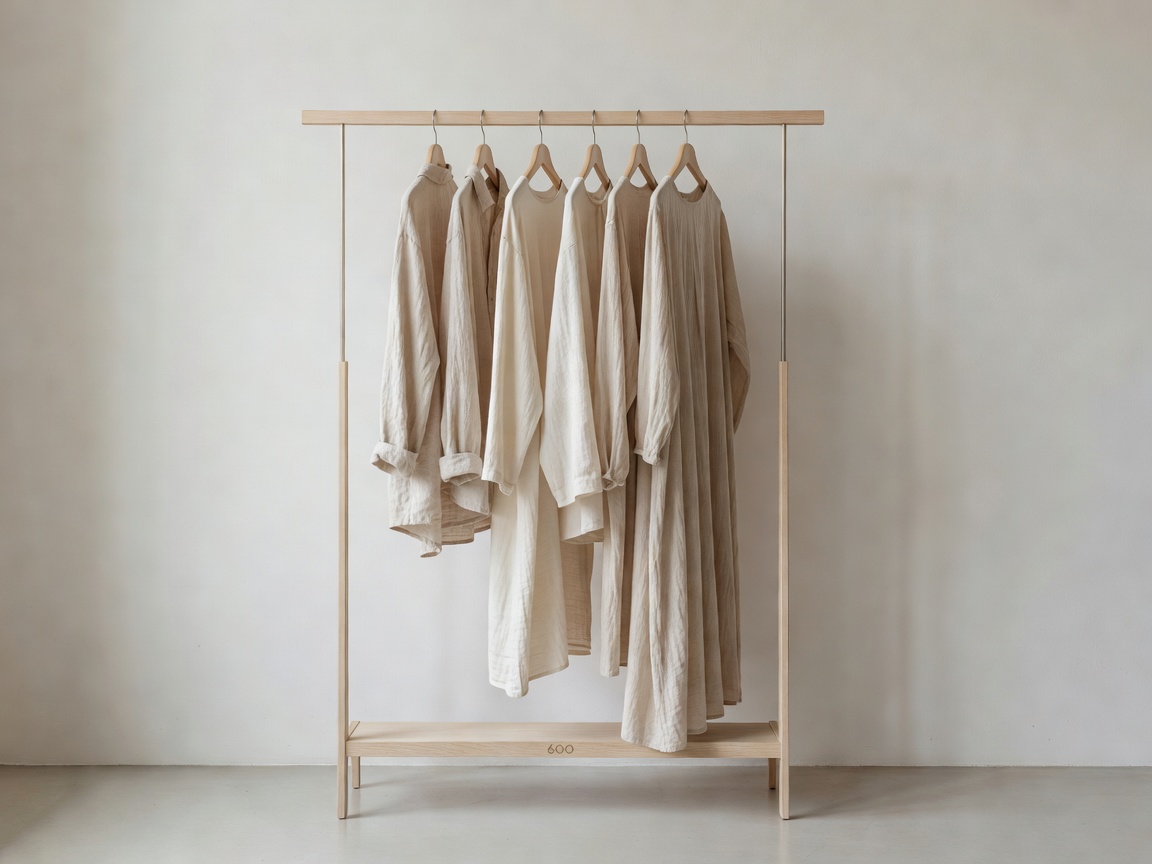
Derived from the flax plant, linen is exceptionally durable and requires significantly less water and fewer pesticides to cultivate than cotton. It is highly breathable, absorbent, and actually becomes softer with washing. While prone to wrinkling, this is generally accepted as part of its aesthetic character.
Wool and Animal Fibers
Wool is naturally temperature-regulating, moisture-wicking, and possesses antimicrobial properties that prevent odors, meaning it requires very infrequent washing. However, animal welfare is a critical consideration. Look for certifications that guarantee ethical shearing and land management practices.
Hemp
Hemp is an incredibly resilient plant that grows rapidly, requires minimal water, and naturally suppresses weeds, eliminating the need for herbicides. The resulting fabric is highly durable, UV-resistant, and softens beautifully over time, making it an excellent sustainable choice.
The Capsule Wardrobe Approach
The concept of a capsule wardrobe involves distilling your clothing down to a curated selection of versatile, high-quality items that can be mixed and matched to create numerous outfits. This approach reduces decision fatigue and discourages impulse purchasing.
To begin, select a cohesive color palette consisting of neutral base colors (such as navy, black, beige, or olive) and a few complementary accent colors. Ensure that the majority of your tops pair logically with the majority of your bottoms. A well-planned capsule wardrobe might consist of 30 to 40 items per season, including shoes and outerwear, though the exact number should be tailored to your specific lifestyle and climate.
Garment Care and Longevity
The most environmentally friendly garment is the one already in your closet. Extending the life of your clothing directly reduces its overall environmental footprint.
- Wash Less Frequently: The washing machine is harsh on fabrics. Unless an item is visibly soiled or smells, air it out on a hanger instead of washing it. Wool and denim, in particular, should be washed very sparingly.
- Wash Cold: Heating water accounts for the vast majority of the energy used during a laundry cycle. Modern detergents are highly effective at low temperatures (20°C - 30°C).
- Line Dry: Tumble dryers degrade fibers rapidly (the lint collected in the trap is literal material wearing away from your clothes) and consume significant electricity. Line drying outdoors or on an indoor rack preserves the fabric and elasticity.
- Mend and Repair: Learn basic mending techniques, such as reattaching a button, fixing a dropped hem, or darning a small hole. For more complex repairs, utilize local tailors or cobblers to restore structure to coats and shoes.
By shifting focus from quantity to quality, prioritizing natural fibers, and investing time in proper garment care, you can develop a wardrobe that serves you well for years while substantially lowering your environmental footprint.